
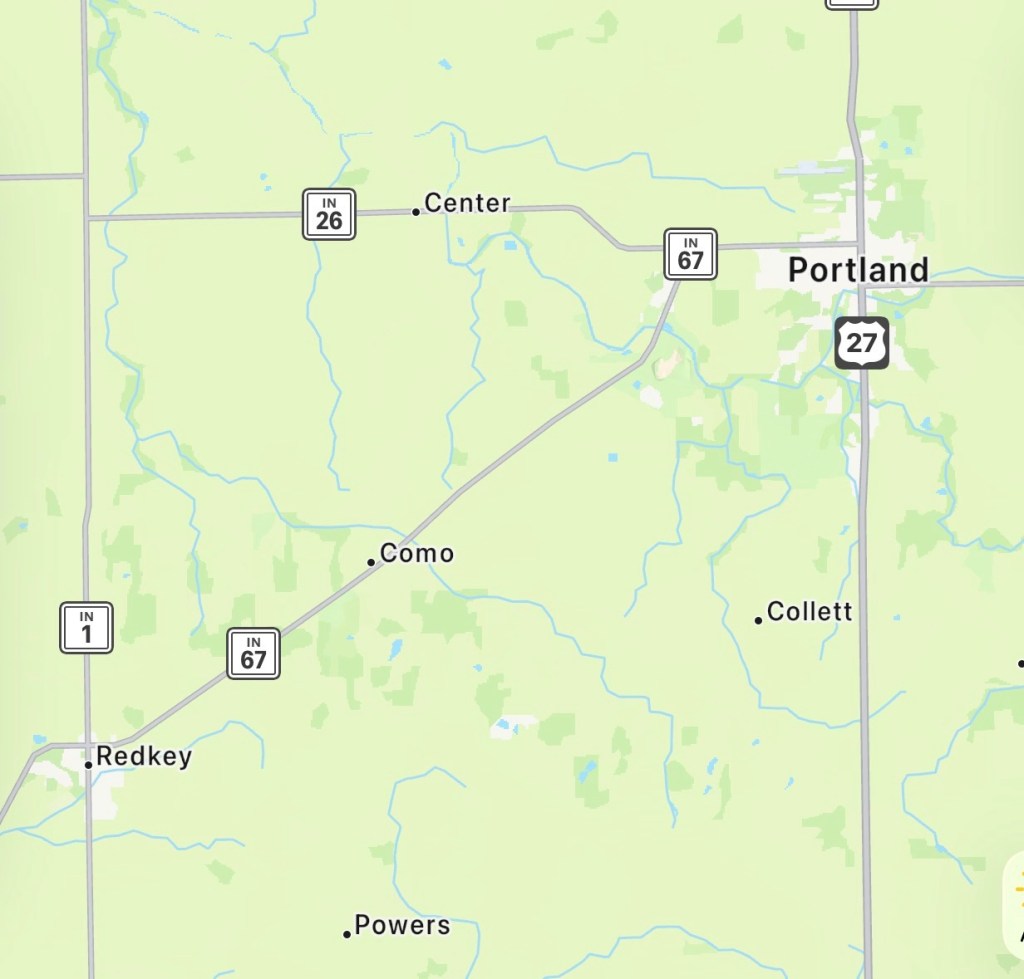
(10-20-26) Two Jay County communities, Portland and Redkey, are facing legal issues.
Third Lawsuit Hits Portland: Former Employee Brad Clayton Sues City Alleging Defamation
The City of Portland (Indiana) is facing a third lawsuit.
Former city employee Brad Clayton filed suit against the city on Monday, October 19, alleging false accusations were made against him regarding his job performance and other related issues. The suit alleges defamation.
Clayton is a former Portland wastewater department employee. He had previously filed a tort claim against the city alleging he was berated by wastewater department superintendent Brad Dues and that city officials, including Mayor Jeff Westlake, spread disinformation about him. That claim said allegations made about his work, attitude and missed time at a December 17, 2024, board of works meeting were untrue and unsubstantiated — the meeting at which the board voted unanimously to terminate his employment. A separate Clayton claim alleged his private Family and Medical Leave Act information was illegally made public.
Portland is already facing two other lawsuits — one from clerk-treasurer Lori Phillips and another from former police officer Patrick Long. Four other tort claims also remain active against the city.
The legal pile-up comes as Portland City Council meetings have been marked by frequent clashes between council members and Mayor Westlake.
Redkey Council Member Files Tort Claim Against Town
Redkey Town Council member Brenda Beaty has filed a tort claim against the Town of Redkey, alleging a town employee damaged her reputation with a letter that portrayed her as mentally unstable and accused her of stalking.
According to the claim, town employee Ted Kolodka wrote a cease-and-desist letter on town letterhead and distributed it to third parties, including town contractors, between May and July. The claim alleges the letter described Beaty as mentally unstable or dangerous because she possesses a license to carry a firearm, and made stalking allegations against her.
The claim also names clerk-treasurer Gloria May, alleging May disclosed to Kolodka that Beaty was investigating him and looking into his employment and timekeeping records. It alleges contractors stopped communicating with Beaty after receiving Kolodka’s letter.
The tort claim also references Beaty’s May 1 public records request, which sought 26 items including salaries, time sheets, phone records, emails, meeting notifications and town hall video recordings. According to Beaty’s complaint with the Indiana Public Access Counselor’s Office, May estimated fulfilling the request at more than $10,000, demanded a $5,000 deposit and said records would not be produced until payment was received. Town attorney Maura Hoff said May’s demands were not made on her advice and advised May the additional fees could not be charged.
Potential claims cited include defamation, libel and tortious interference with Beaty’s professional, governmental and contractual relationships. Beaty seeks compensatory damages — no amount is specified — along with a written retraction and correction sent to every recipient of the letter, identification of the recipients, preservation of related documents, recordings and messages, an end to further dissemination, and resolution of her public records request. The claim also preserves her right to pursue individuals personally if the conduct is deemed to fall outside the scope of municipal employment.
What if the tort claim is against the government?
Indiana has a specific law called the Indiana Tort Claims Act, found in Indiana Code 34-13-3. It governs many claims against state and local government entities, including certain claims involving public employees. Special notice deadlines and legal exceptions may apply.
Important deadlines
Claims against the State of Indiana: Generally, notice must be filed within 270 days of the loss.
Claims against a city, county, or other political subdivision: Generally, notice must be filed within 180 days.
Private-party injury claims: Many personal injury claims have a two-year statute of limitations, but the applicable deadline depends on the type of claim and the circumstances.
Missing a required deadline can prevent a claim from proceeding. The details of the incident and the party being sued matter.
MUSE AI was used in this posting

