
COLUMBUS, OH – (1-30-26) Sherrod Brown released the following statement calling on Ohio leaders to join him in his push to extend Temporary Protected Status (TPS) for Ohio’s Haitian community.
Sherrod Brown-
“As I travel the state, I hear the same thing that Governor DeWine has heard from Ohioans: they are concerned about their Haitian neighbors and about the economic impact the expiration of TPS for Haitian Americans will have on their communities. That’s why I’m calling on the Administration to extend TPS for Ohio’s Haitian community now. Haitian Americans don’t have a safe place to return to in Haiti and our communities across Ohio depend on them to help our local economy thrive. I’m calling on Governor Mike DeWine and Senators Jon Husted and Bernie Moreno to put Ohio communities first and join my call to extend TPS for the Haitian community.”
What is Temporary Protected Status (TPS)?
TPS is a humanitarian immigration program in the United States that allows people from certain countries experiencing war, violence, natural disasters, or other dangerous conditions to stay and work legally in the U.S. for a limited period. While they have TPS, they are protected from deportation and can get a work permit. TPS does not give permanent immigration status or a green card by itself.
Haiti was designated for TPS after severe crises like the 2010 earthquake and ongoing instability. People from Haiti who already had TPS — and met eligibility criteria such as continuous residence — have been able to stay and work in the U.S. under this status.
Current Status of TPS for Haitians (as of early 2026)
The Department of Homeland Security (DHS) under the Trump administration announced plans to end TPS for Haiti, arguing Haiti no longer met the criteria for the designation. A federal court later blocked certain earlier termination dates, meaning the TPS designation originally extended through February 3, 2026 remains in place for now. TPS for Haitians is scheduled to expire at 11:59 p.m. on Feb. 3, 2026, unless a court blocks this or the government makes a new decision.
That means after Feb. 3, people with TPS will likely:
Lose protection from deportation Lose their work authorization Be subject to removal from the U.S. unless they qualify for and obtain another form of legal status (like asylum).
How This Affects Haitians in Ohio
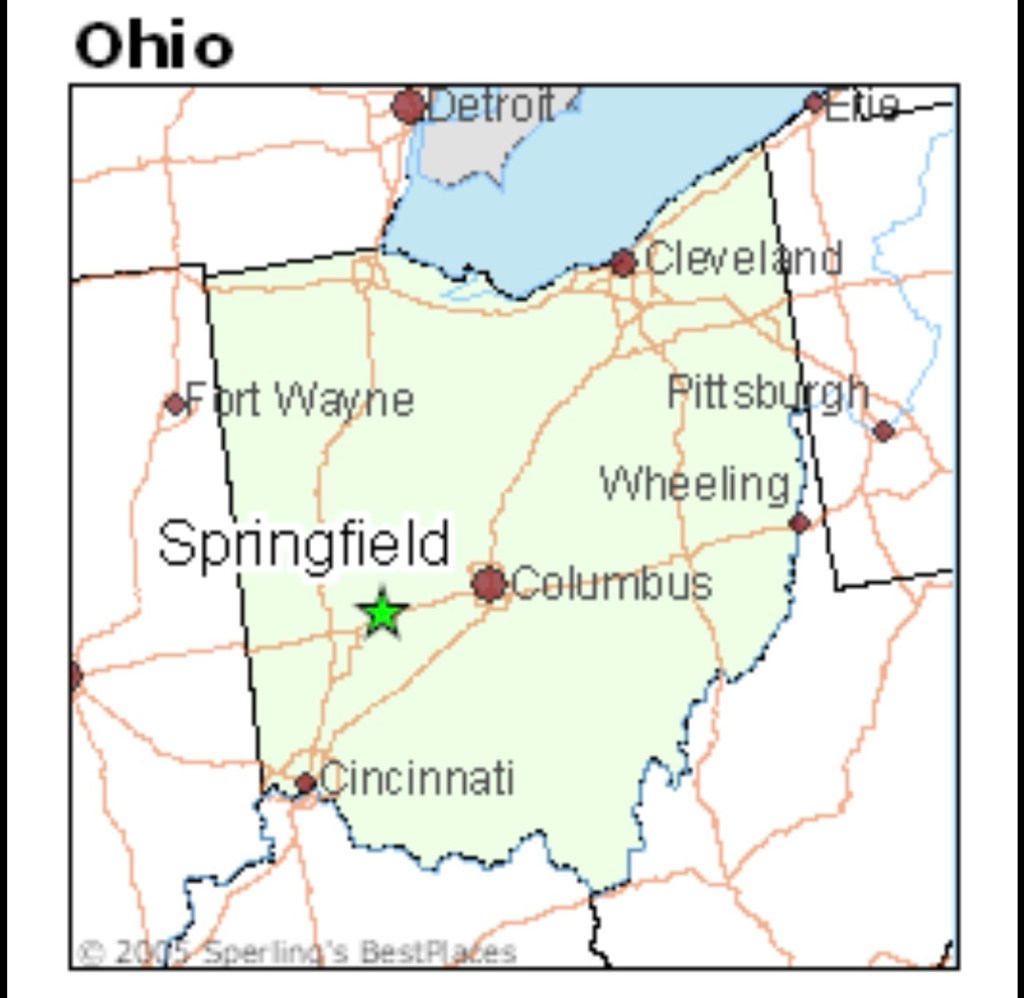
A significant number of Haitians live in Ohio — especially in places like Springfield and Central Ohio — and many of them have lived in the U.S. for years under TPS.
Potential local impacts include:
Thousands of Haitian families in Ohio may suddenly lose legal status after Feb. 3, 2026. This could lead to fears of deportation or detention by immigration authorities. Local officials in Ohio are preparing for the possibility of increased enforcement actions, though exact plans are unclear. Community groups and courts continue legal challenges and efforts to extend protection, but the outcome is still uncertain.
Advocates and community leaders have raised concerns that ending TPS could disrupt families, affect children in schools, and create labor shortages in local industries where Haitians are employed.
What’s Next and Legal Options
A federal judge’s decision on related legal challenges was expected early February (around Feb. 2), which could affect whether TPS protections continue past Feb. 3, 2026. Some TPS holders may try to apply for asylum or other immigration relief, but that process can be complicated and slow. Legal organizations and community support groups are advising people with TPS to seek trusted immigration legal help to explore options.
###

