
FOR IMMEDIATE RELEASE
[Cleveland, OH] (11-26-25) The FBI Cleveland Field Office is warning the public about common holiday scams and encouraging shoppers to be vigilant for scams that are designed to steal their money and obtain their personal information during the 2025 shopping season.
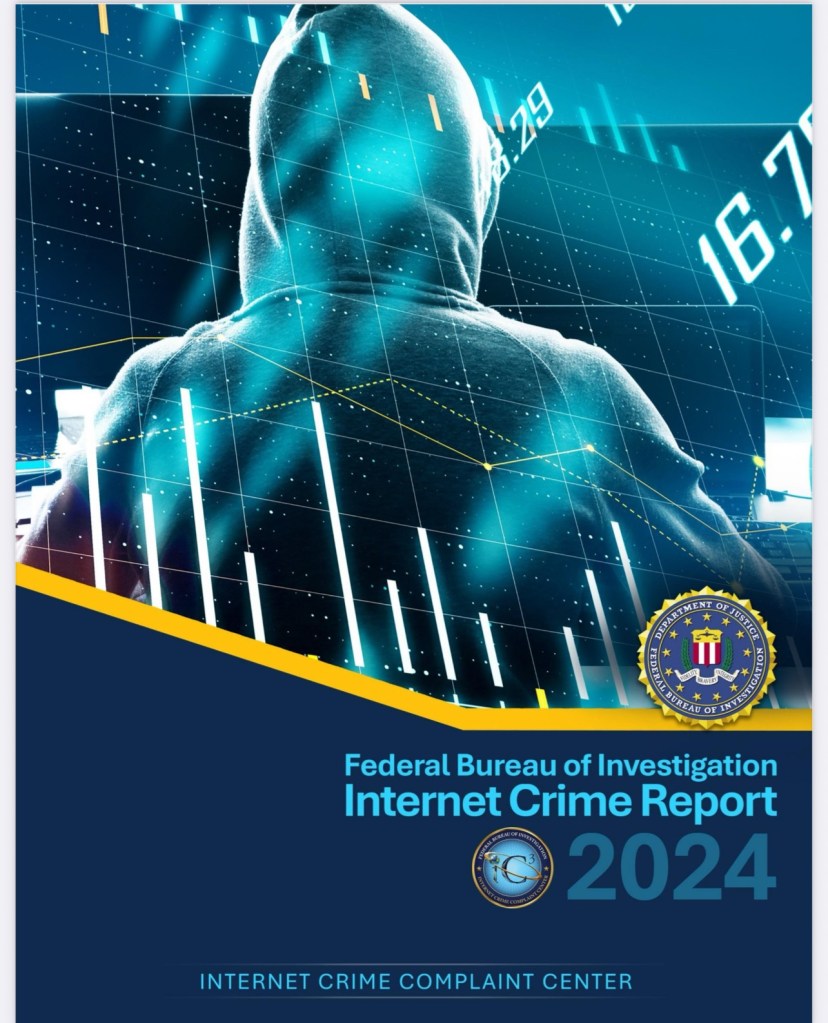
The FBIs Internet Crime Complaint Center receives on average, over 800,000 scam and fraud complaints per year. Of those, phishing and spoofing remain one of the most prevalent scams. Ohio ranked #7 in IC3 fraud complaints in 2024.
In 2024, the top five fraud and scams nationwide included:
- Investment scams Over $6.57 million total loss
(this does not include cryptocurrency investment fraud losses) - Business Email Compromise Over $2.77 million total loss
- Tech Support Impersonation Over $1.46 million total loss
- Personal Data Breach Over $1.45 million total loss
- Non-payment/non-delivery Over $785 thousand total loss
Ohio trends follow the national trends, however, the Cleveland division, which oversees the 40 northern-most counties in the state, has seen “investment scams,” to include cryptocurrency scams, tech and government scams, and business email compromise as the three more prevalent scams in its jurisdiction.
FBI Special Agent in Charge Greg Nelsen
“While it may seem like an uptick during the holidays, the reality is as the volume of shopping transactions increase, so does fraudulent activity. “Scammers are working every day of the year; there are simply more opportunities during the holidays. Anyone, regardless of their age or how tech-savvy one may be, can become a victim, whether conducting a transaction in person or online, someone with criminal intent will find their next victim.”
Scammers prey on trust and understand our shopping habits. The FBI continues to see an increase in victims who thought they were shopping through a reputable, valid online vendor, only to discover they’ve either provided their financial or credit card information to a nefarious third party or, after waiting weeks for a purchase to arrive, realize they’ve been scammed.
Some of the common holiday scams the FBI warns of are:
- Online shopping scams – Scammers offer deals through phishing e-mails or advertisements.
- Non-delivery scams, where you pay for goods or services you find online, but you never receive your items
- Social media scams – Scammers use social media sites that appear to offer vouchers or gift cards. These scams often lead consumers to complete online surveys designed to steal personal information.
- Smartphone app scams – Scammers design mobile apps disguised as free games that steal personal information.
- Work-from-home scams – Scammers use websites and social media posts that offer working from home for extra holiday cash. Convenience is the attention grabber, but there may be fraudulent intentions.
- Gift card scams – Victims receive a spoofed e-mail, call, or text asking them to purchase multiple gift cards for person or business reasons or to pay with a pre-paid gift card.
- Charity scams – Criminals set up false charities and profit from individuals who believe they are donating to legitimate organizations.
Scams take many forms, but if a deal looks too good to be true, it probably is.
Precautions:
- Do not open any unsolicited emails or click on any links if they do open the email.
- Do not scan any QR codes, text, or call phone numbers to provide additional information if you’ve received an unsolicited package.
- Remember to secure banking and credit accounts with strong and different passwords and secure all other accounts that contain anything of value, such as: rewards accounts, online accounts that save payment information, and accounts containing private and personal information.
- Steer clear of untrustworthy sites or ads offering items at unrealistic discounts or with special coupons.
- Use caution and pause to verify when downloading mobile applications.
- Consumers should be vigilant when receiving items purchased from online auctions and third-party marketplaces.
- Never wire money directly to a seller.
- Don’t pay for items with pre-paid gift cards. In these scams, a seller will ask you to send them a gift card number and PIN. Instead of using that gift card for your payment, the scammer will steal the funds, and you’ll never receive your item.
- Use a credit card when shopping online and check your statement regularly. If you see a suspicious transaction, contact your credit card company to dispute the charge.
If you believe you are victim of a scam, contact your financial institution immediately. You should also contact your local law enforcement agency and file a complaint with the FBIs IC3 by visiting www.IC3.gov. Victims who file an IC3 report within the first 72 hours have shown greater success at the potential to track and recover funds.
The FBI reminds victims to keep all pertinent information when filing the IC3 report, such as texts, emails, URLs, screen shots, phone numbers of the caller, and what information you may have provided. If the scammer is threatening harm to you or another person or offers to keep you on the phone and instructs you to go a bank, kiosk, or purchase gift cards or gold bar, hang up and report the caller to the FBI or local police.
For more information on holiday scams, visit www.fbi.gov/holidayscams.
 Mercer County Outlook